

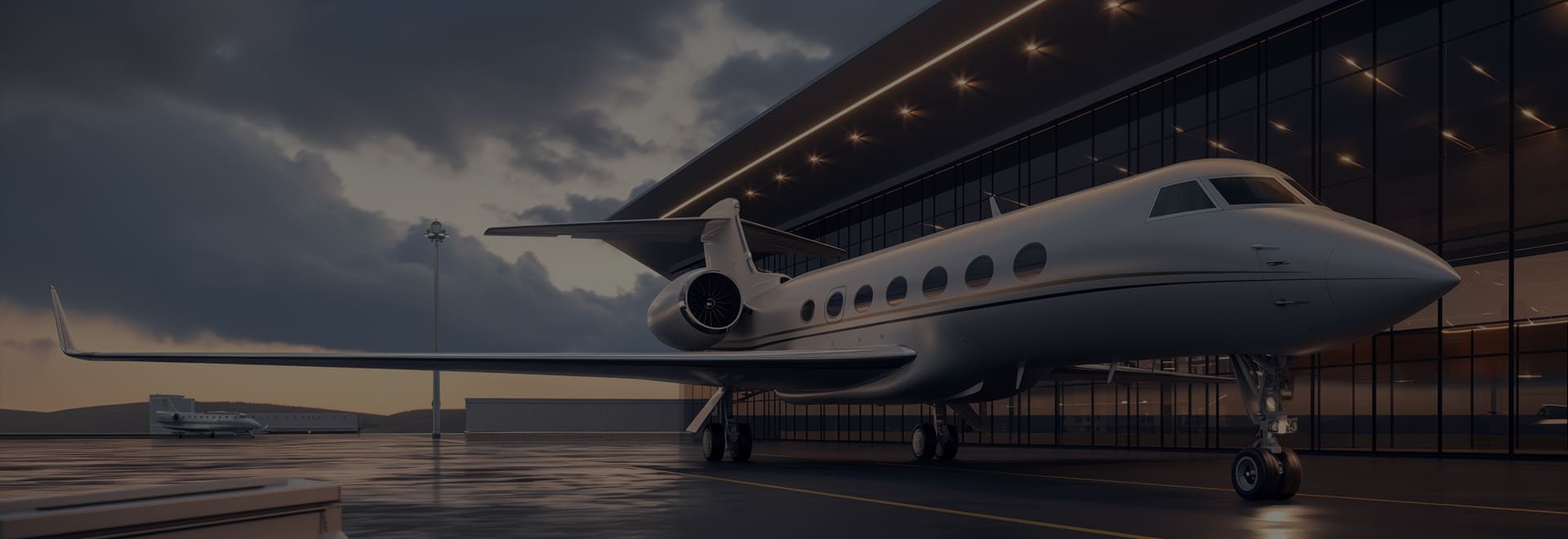

Imagine coordinating a multi-continent corporate initiative where your senior managerial team must transition from an afternoon negotiation in New York to a critical morning briefing in Tokyo. Relying on commercial flight frameworks introduces massive systemic friction, including rigid departure schedules, mandatory hub transfers, and the physical exhaustion of long-haul transit.
Ultra-long-range private jets resolve these challenges by functioning as high-speed, flexible airborne environments that operate entirely on your organization’s timeline. By eliminating the typical disruptions of international travel, these advanced airframes allow teams to cross oceans seamlessly, preserve cognitive energy, and also maximize global mobility with total operational efficiency.
1. Defining the Ultra-Long-Range Aviation Classification
The ultra-long-range segment represents the absolute pinnacle of aerodynamic engineering, structural scale, and performance capability within the private flight sector. Unlike light or midsize cabin jets designed for rapid regional hops, these airframes are built specifically to master transoceanic and intercontinental distances without requiring immediate refueling stops.
To qualify for this elite category, an aircraft must demonstrate a non-stop range envelope typically spanning between 6000 and more than 8000 nautical miles. In practical terms, this immense endurance enables seamless city-pair connectivity across the planet, linking distant economic hubs like Dubai to Houston, London to Singapore, or Los Angeles to Sydney effortlessly.
By carrying substantial fuel volumes within highly optimized wing structures, these jets allow organizations to consider global geography as a single, accessible territory.
2. Unmatched Range and the Elimination of Refueling Stops
The primary operational advantage of using ultra-long-range aircraft centers on the complete elimination of mid-route stops. When standard corporate aircraft attempt intercontinental journeys, they must land at intermediate airfields to replenish fuel reserves, a process that introduces multiple layers of operational vulnerability.
Every stop adds roughly two to three hours to an overall itinerary, factoring in the descent profile, group handling timelines, custom documentation, and subsequent ascent back to cruise altitude.
Furthermore, landing in intermediate regions exposes the flight to localized weather disruptions, air traffic control backlogs, and fluctuating ground handling fees. Ultra-long-range jets eliminate these variable risks completely, maintaining a continuous, predictable flight path from your exact point of origin to your final destination.
Intercontinental Flight Profiles: Refueling Stops vs. Non-Stop Transit
| Operational Parameter | Midsize Fleet (With Refueling Stops) | Ultra-Long-Range Non-Stop Fleet |
| Route Path Integrity | Fragmented by intermediate regional stops | Continuous direct transoceanic flight path |
| Total En-Route Duration | Extended by ground handling and customs delays | Optimized via direct high-speed trajectory |
| Weather Risk Exposure | Multiplied across intermediate landing fields | Controlled by flying completely above systems |
| Crew Duty Limitation | Impacted by multi-leg operational fatigue | Managed via integrated onboard rest suites |
| Logistical Adjustments | Subject to regional overflight permits | Streamlined point-to-point clear documentation |
3. Speed Optimization and High-Altitude Aerodynamics
A common misconception is that all jet aircraft travel at roughly the same velocity once they reach stable cruise conditions. Ultra-long-range airframes are engineered with highly sophisticated power plants and swept-wing profiles that allow them to operate at speeds significantly higher than standard commercial airliners or smaller private aircraft.
These advanced business jets routinely maintain high-speed cruise velocities between Mach 0.85 and Mach 0.935, with the swift modern flagships approaching Mach 0.95. Travelling at these velocities reduces total airborne hours substantially over a 14-hour flight window.
Furthermore, these aircraft possess the thrust capabilities necessary to ascend rapidly to exceptional cruise altitudes typically operating between 41000 and 51000 feet.
At these high altitudes, the air density is remarkably low, which reduces aerodynamic drag and optimizes fuel burn rates. More importantly, this altitude boundary places the aircraft completely above the congested flight lanes utilized by commercial traffic, as well as the vast majority of turbulent seasonal weather formations, ensuring an exceptionally smooth and direct journey.
4. Multi-Zone Cabin Architecture and Workspace Isolation
Spending twelve to fifteen continuous hours in the air requires a cabin environment that goes far beyond basic seating comfort. Ultra-long-range private airframes feature expansive cabin cross-sections, with interior lengths frequently stretching near fifty-seven feet, allowing the interior layout to be divided into four or five distinct living zones.
1.Forward Culinary Preparation Suite and Crew Rest Compartment: Zone 1.
A fully equipped galley structure designed for hot food service, positioned adjacent to dedicated crew sleeping quarters to preserve passenger privacy.
2.The Corporate Club Suite and Active Workspace:Zone 2.
An isolated forward cabin featuring ergonomic zero-gravity tracking seats and concealable side tables for active team collaboration.
3.The Central Conference and Main Dining Room:Zone 3.
A multi-seat meeting space equipped with digital monitor integration, wireless casting, and high-definition media connectivity for briefings.
4.The Private Principal Suite and En-Suite Facilities:Zone 4.
An isolated aft cabin featuring a full-size flat bed, soundproof bulkheads, and a dedicated lavatory with an optional stand-up shower.
This precise structural zoning ensures that different passengers can engage in entirely separate activities simultaneously without mutual disruptions. While one section of your managerial team hosts a confidential strategy session in the central conference zone, other team members can rest in the private principal suite or enjoy tailored nutrition in the club cabin, maintaining total individual autonomy throughout the flight.
5. Environmental Engineering and Decompression Mitigation
The physiological toll of international travel, commonly experienced as jet lag, is largely defined by cabin pressure variations, low humidity levels, and poor air circulation. Ultra-long-range airframes incorporate advanced environmental control systems designed specifically to mitigate these physical stress factors during long journeys.
Standard commercial airliners typically maintain an internal cabin altitude equivalent to roughly 7000 or 800 feet while flying at cruise altitude. This relative thinness of air reduces oxygen saturation in the human bloodstream, causing headaches, dehydration, and cognitive fatigue.
On the other hand, ultra-long-range business jets use robust fuselage structures to maintain an exceptionally low cabin altitude, frequently resting below 3000 feet even while the aircraft operates at 41000 feet.
The Physiological Metric: Maintaining a cabin altitude equivalent of less than 3000 feet ensures that the human body absorbs oxygen at a near-normal rate, drastically reducing physical fatigue, keeping the mind sharp, and allowing executives to step straight off the plane and into high-stakes negotiations.
Additionally, these aircraft use advanced air filtration systems that introduce fresh, external air into the cabin every two minutes, completely removing micro-particles, dust, and common airborne allergens.
Integrated humidification systems maintain optimal moisture levels throughout the cabin, preventing the respiratory dryness and physical discomfort typically associated with long-haul transoceanic travel.
6. Accessing Secondary Airfields and Optimizing Ground Logistics
While ultra-long-range private jets are substantial in scale, they retain the remarkable short-field runway performance characteristics that define the private aviation sector. This engineering flexibility allows them to operate from regional and secondary airfields that are completely inaccessible to commercial airliners.
International commercial flights are restricted to massive hub airports, which are often located deep within congested metropolitan centers, requiring lengthy post-flight ground transit times. An ultra-long-range private charter can bypass these bottleneck hubs completely, landing instead at smaller regional facilities positioned minutes away from your final corporate destination or manufacturing plant.
By using private terminal infrastructure, passengers step directly from the aircraft ramp into waiting ground transportation, avoiding immigration queues and central baggage check delays completely.
This decentralized logistical framework compresses the entire travel timeline, ensuring that your team spends less time navigating airport infrastructure and more time executing primary organizational objectives.
7. Next-Generation Avionics and Continuous Global Connectivity
To support continuous corporate operations while traversing remote oceanic airspaces, ultra-long-range jets feature advanced satellite communication architecture. High-speed Ka-band and Starlink connectivity networks ensure that the cabin remains fully synchronized with ground operations across every stage of the flight path.
Passengers can conduct secure video conferences, access cloud-based corporate databases, and also manage fluid organizational developments in real-time, transforming the aircraft into a secure, fully functional mobile headquarters.
This seamless connectivity ensures that your enterprise maintains complete operational momentum, irrespective of geographic positioning or time zone transitions. From a flight deck perspective, these aircraft use highly advanced avionic arrays, including enhanced flight vision systems, synthetic visibility displays, and fully integrated fly-by-wire flight controls.
These advanced pilot aids minimize flight crew workloads, automate precise navigation through complex international space corridors, and also optimize fuel efficiency dynamically, establishing an exceptionally stable and safe flight environment under all global operating conditions.